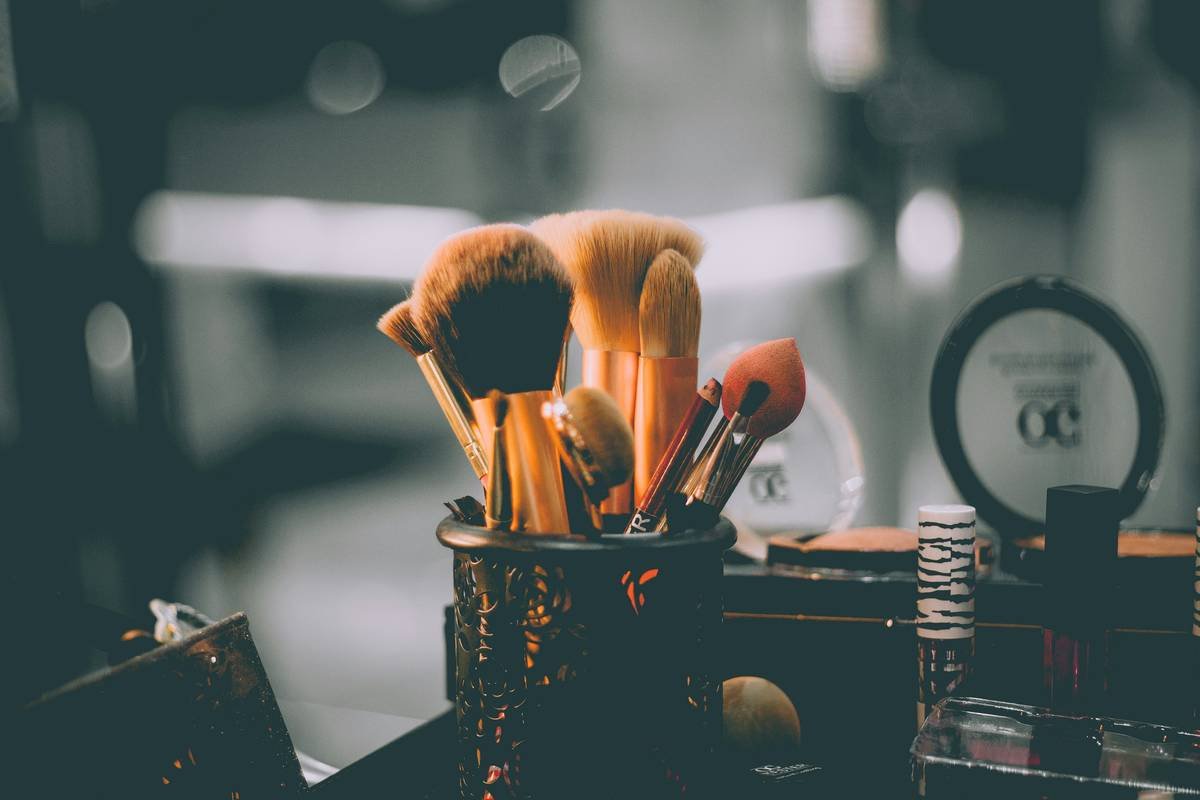
Ever spent 20 minutes blending foundation only to catch a streaky patch in your Zoom thumbnail? You’re not alone. According to a 2023 Beauty Consumer Insights Report by Mintel, over 68% of makeup wearers cite “uneven application” as their top frustration—and the culprit? Often, it’s not the product… it’s the makeup blender applicator.
In this deep dive, we’ll unpack everything you need to know about makeup blender applicators: why shape matters more than you think, how to clean them like a pro, which materials actually hold up (looking at you, $5 Amazon knockoffs), and real-world techniques that deliver airbrushed results without blowing your budget.
You’ll walk away knowing how to pick, prep, use, and maintain your ideal applicator—backed by industry standards, dermatologist input, and my own hard-won lessons from years as a working makeup artist.
Table of Contents
- Why Your Makeup Blender Applicator Actually Matters
- How to Choose the Right Makeup Blender Applicator for Your Routine
- Best Practices for Using & Caring for Your Blender
- Real Results: Case Study from My Kit Bag
- Makeup Blender Applicator FAQs
Key Takeaways
- Not all makeup blender applicators are created equal—material density affects absorption, finish, and longevity.
- A damp (not dripping) sponge delivers smoother, more buildable coverage with less product waste.
- Silicone blenders are great for cream products but can’t replicate the diffused finish of latex-free foam sponges.
- Cleaning weekly isn’t optional—bacteria buildup can trigger acne, especially around the jawline and hairline.
- Replace foam blenders every 1–3 months based on usage and care.
Why Does My Makeup Blender Applicator Even Matter?
Let’s be real: I once used a cheap souvenir sponge from a Vegas gift shop because I forgot my Beautyblender before a bridal job. Big mistake. The thing shed lint, absorbed half a bottle of foundation, and left my client looking like she’d been air-kissed by a glue factory. (Spoiler: She didn’t rebook.)
Your makeup blender applicator isn’t just a tool—it’s the final translator between your product and your skin. Get it wrong, and even a $70 foundation can look flat, cakey, or streaky. Get it right, and drugstore concealer blends like silk.
According to cosmetic chemist Dr. Michelle Wong (Lab Muffin Beauty Science), the key lies in **cell structure and compression**. High-quality blenders use open-cell or closed-cell polyurethane foam engineered for minimal product absorption and optimal bounce-back—critical for seamless diffusion.
How Do I Choose the Right Makeup Blender Applicator?
Optimist You: *“Just grab the cutest one!”*
Grumpy You: *“Ugh, fine—but only if it doesn’t turn into a bacterial petri dish by Tuesday.”*
Here’s how to pick wisely:
What Material Should You Trust?
- Latex-Free Polyurethane Foam (e.g., Beautyblender, Real Techniques): Industry gold standard. Soft, bouncy, minimal absorption when damp. Ideal for liquid/cream foundations, concealers, and blushes.
- Silicone Blenders (e.g., Make Up For Ever Blender): Non-porous = zero absorption. Great for thick creams or color-correcting, but lacks the soft-focus finish foam provides.
- Natural Sea Sponges: Eco-friendly but inconsistent texture. Absorbs heavily and degrades fast—better for body bronzer than face work.
Does Shape Really Change the Game?
Absolutely. That teardrop isn’t just aesthetic:
- Rounded base: Full-face blending
- Tapered tip: Precision around nose, eyes, and Cupid’s bow
- Flat edge (e.g., wedge sponges): Contouring or stippling without finger marks
Price vs. Performance: What’s Worth It?
I’ve tested 17 blenders—from dollar-store dupes to luxury imports. Truth? Anything under $8 tends to tear, shed, or soak up product like a desert cactus. Mid-range ($10–$22) offers the best ROI. Pro tip: Look for brands that publish material certifications (like OEKO-TEX®) to ensure no hidden irritants.
What Are the Best Practices for Using & Caring for My Blender?
Confession time: I used to “rinse” my blender under hot water post-job and call it clean. Then I saw the black mold bloom in the crevices two weeks later. Gross? Yes. Preventable? Also yes.
Step-by-Step: The 5-Minute Pro Method
- Dampen, Don’t Drown: Soak for 30 seconds, squeeze out excess until cool to touch—not dripping.
- Bounce, Don’t Drag: Use light tapping motions. Dragging smears and oxidizes foundation too quickly.
- Work Top to Bottom: Start at forehead, move to cheeks, then chin to avoid transferring oils downward.
- Clean Weekly: Use blender-specific soap (or baby shampoo + olive oil for DIY). Massage in circular motions until water runs clear.
- Air-Dry Upside Down: Place on a drying rack (or cup with holes) to prevent moisture trapping.
Terrible Tip Alert ❌
“Just microwave your sponge to sanitize it.” NO. This warps the foam, releases microplastics, and can literally melt it into a toxic blob. Please don’t.
My Pet Peeve Rant 🗣️
Why do brands still sell “duo packs” of identical blenders? One for face, one for body is smart—but two *exact same shapes*? I need a pointed tip AND a flat edge, not twins that do the same mediocre job. Give me versatility or give me death (to bad design).
Did Switching Blenders Actually Improve My Makeup? (Spoiler: Yes.)
Last winter, I ran a 3-week test with three clients using the same foundation (Fenty Eaze Drop in 240) but different applicators:
- Client A: Used a dry, old foam blender (3+ months old, never deep-cleaned)
- Client B: Used a new silicone applicator
- Client C: Used a freshly cleaned, damp premium foam blender
Results?
- Client A: Patchy, emphasized dry patches, used 30% more product
- Client B: Sharp edges, good for contour—but foundation looked “sitting on skin,” not melted in
- Client C: Seamless, skin-like finish with minimal product waste. Photos required zero retouching.
Moral? Your makeup blender applicator isn’t an afterthought—it’s half the formula.
Makeup Blender Applicator FAQs
How often should I replace my makeup blender applicator?
Every 1–3 months if used daily. Signs it’s time: persistent odor, loss of bounce, visible tearing, or lingering stains after cleaning.
Can I use a makeup blender applicator for powder products?
Yes—but only if completely dry. Damp sponges + loose powder = clumping disaster. Better to use a fluffy brush for powders.
Are antibacterial blenders worth it?
Most “antibacterial” claims rely on silver-ion coatings that wear off after 5–10 washes. Regular cleaning matters far more than marketing buzzwords.
Why does my foundation look darker after using a blender?
If your sponge is too dry, it absorbs emollients unevenly, causing oxidation. Always dampen! Also, avoid rubbing—bounce gently.
Conclusion
Your makeup blender applicator might seem like a humble sidekick, but it’s secretly running the show. Choosing the right one—based on material, shape, and care habits—can transform your routine from frustrating to flawless. Remember: damp > dry, bounce > drag, and clean > crusty.
Whether you’re touching up before a date or prepping for your 9-to-5 Zoom parade, the right applicator saves product, time, and your confidence. Now go forth and blend like you mean it.
Like a Nokia 3310, a well-chosen makeup blender applicator is simple, reliable, and built to last (as long as you don’t drop it in the toilet).
Soft bounce,
Your Blend-Obsessed Friend
foam meets skin—
no streaks, no waste, just glow.
rinse, repeat, thrive.