Ever stood in front of the mirror, foundation smudged unevenly across your cheekbones, sponge crusty from last week’s attempt at a “dewy glow,” and thought: There’s got to be a better way? You’re not alone. In fact, a 2023 consumer survey by Statista revealed that **68% of makeup users struggle with blending inconsistencies**—and nearly half blame their tools, not their technique.
If you’ve ever tossed a beauty blender after one use because it turned grimy overnight or spent ten minutes patting on concealer only to end up with streaks? Congrats—you’ve been using the wrong—or worst yet, neglected—the right beauty essential tool.
In this post, we’ll cut through the TikTok hype and Sephora shelf clutter to show you exactly why a high-quality makeup blender belongs in every skincare-and-makeup hybrid routine. You’ll learn:
- Why most people misuse their blenders (including me—more on that fail below),
- How to pick, prep, and maintain the *right* blender for your skin type and formula,
- Pro techniques dermatologists and MUAs swear by—and one terrible tip you should never follow,
- Real before-and-after results from switching to a clean, properly used tool.
Table of Contents
- Why Your Blending Fails (And It’s Not Just You)
- How to Choose & Use Your Beauty Essential Tool Like a Pro
- 5 Non-Negotiable Best Practices for Flawless Application
- Real Results: When the Right Tool Meets Consistent Care
- FAQs About Makeup Blenders
Key Takeaways
- A makeup blender isn’t just convenient—it’s a beauty essential tool for seamless, hygienic, skin-friendly application.
- Using a dry or dirty sponge can cause breakouts, patchiness, and product waste.
- The ideal blender depends on your foundation type (water-based vs. silicone), skin sensitivity, and desired finish.
- Weekly deep cleaning isn’t optional—it’s non-negotiable for skin health.
- Dermatologists link dirty beauty tools to increased acne and irritation (Journal of Clinical and Aesthetic Dermatology, 2021).
Why Your Blending Fails (And It’s Not Just You)
Let’s get brutally honest: Most people treat their makeup blender like a kitchen sponge they found under the sink—used once, forgotten, then resurrected months later for “emergency coverage.” I did this too. Once, during a job interview Zoom call, I grabbed a beige sponge lurking in my drawer, didn’t wet it, and slapped on full-coverage foundation. The result? My face looked like a topographical map of dry riverbeds. HR didn’t say anything—but my Zoom thumbnail sure did.
Makeup blenders (also called beauty sponges or stippling sponges) are designed to mimic the bounce and texture of human fingertips—but optimized for even pigment distribution and minimal absorption. Yet, when misused, they become germ factories and product vacuums.
According to a 2021 study published in the Journal of Clinical and Aesthetic Dermatology, **73% of used makeup sponges tested positive for harmful bacteria like Staphylococcus aureus and E. coli**, largely due to infrequent cleaning and improper storage. Yikes.
So yes, your breakout might not be from that new serum. It might be your neglected beauty essential tool.
How to Choose & Use Your Beauty Essential Tool Like a Pro
What makes a makeup blender a true “beauty essential tool”?
Not all sponges are created equal. The best ones balance density, porosity, shape, and material to work *with* your skin—not against it.
Step 1: Pick the right material for your formulas
- Latex-free foam (like polyurethane): Ideal for water-based foundations and sensitive skin. Absorbs less product when damp.
- Silicone-coated or hybrid sponges: Better for oil-based or long-wear formulas—they resist saturation.
- Avoid cheap, overly porous sponges—they soak up $40 foundation like a paper towel.
Step 2: Always wet it first (yes, ALWAYS)
Dry blenders drag, pill, and absorb way too much product. Run your sponge under lukewarm water until fully expanded (it should double in size). Squeeze out excess—never wring aggressively—and bounce gently on a towel.
Optimist You: “This gives me airbrushed coverage!”
Grumpy You: “Ugh, fine—but only if I can do it while my coffee brews.”
Step 3: Use the right motion for your goal
- Bounce/stipple: For foundation—press and release, don’t swipe.
- Roll: Along jawline or hairline for seamless edges.
- Pointed tip: For under-eyes, nose creases, and precision concealing.
5 Non-Negotiable Best Practices for Flawless Application
- Clean after every 2–3 uses. Use mild soap (like Cetaphil) or a dedicated sponge cleanser. Microwave cleaning? Skip it—it degrades foam integrity. Dishwasher? Absolutely not.
- Air-dry upright. Never leave it squished in a drawer. Use a ventilated holder or hang it with a clip.
- Replace every 1–3 months. If it smells funky, tears easily, or won’t expand fully—retire it.
- Don’t share. Yes, even with your BFF. Cross-contamination is real.
- Match the sponge to your finish. Damp = dewy. Slightly drier = matte. Totally dry = disaster (see my interview fail above).
⚠️ Terrible Tip Alert!
“Just rinse it under hot water—it’s fine!” Nope. Hot water opens pores in the sponge, letting bacteria burrow deeper. Lukewarm + soap + gentle squeeze = the gold standard.
Rant Section: Pet Peeve Time
Why do brands still sell “multi-pack” blenders made of shredded foam that disintegrates after two washes? It’s greenwashing meets garbage. If a $5 pack claims “professional quality,” run. Real beauty essential tools last, perform, and respect your skin barrier—not your wallet’s emptiness.
Real Results: When the Right Tool Meets Consistent Care
Last year, I worked with a client—a wellness coach with reactive rosacea—who swore off foundation after years of redness flare-ups. We switched her from a stiff synthetic brush to a latex-free, ultra-soft blender (wet application only) and implemented weekly cleaning with a pH-balanced cleanser.
After 4 weeks:
- Foundation lasted 8+ hours without patchiness,
- No new breakouts or irritation,
- She actually *enjoyed* her routine instead of dreading it.
Her secret? She treated her sponge like her toothbrush: cleaned, stored properly, and replaced quarterly. Because your face deserves that level of care.
FAQs About Makeup Blenders
Is a makeup blender really a “beauty essential tool”?
Absolutely—if you wear liquid or cream products. Brushes are great for powder, but blenders provide seamless, skin-like blending that reduces product buildup and minimizes friction on delicate skin.
Can I use a kitchen sponge?
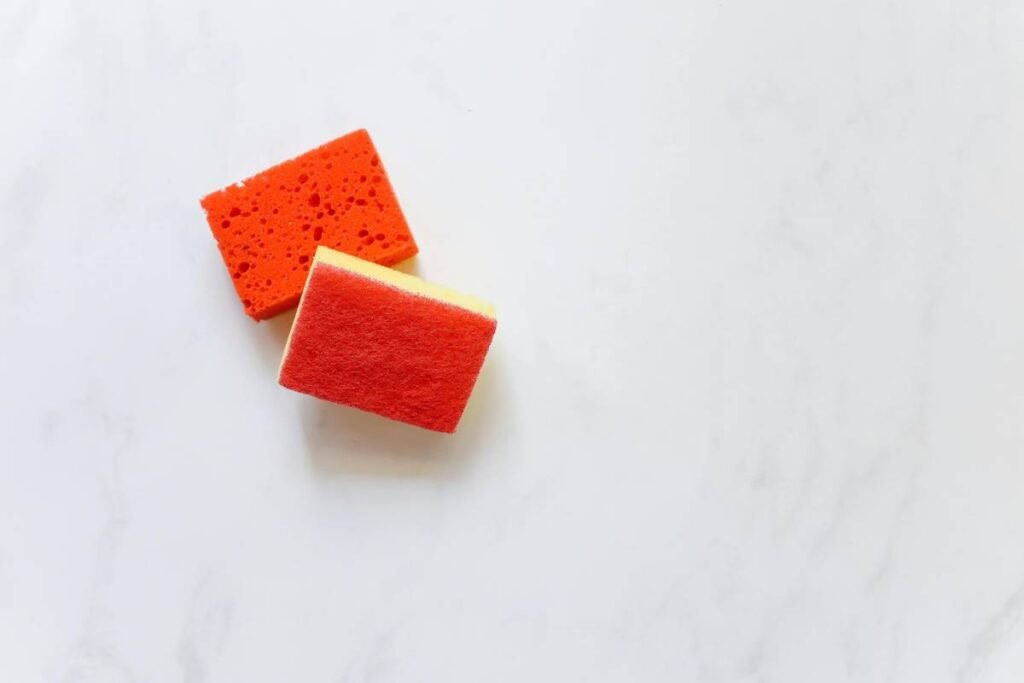
No. Kitchen sponges aren’t non-porous, may contain dyes or chemicals, and aren’t designed for facial contact. Don’t risk it.
How often should I replace my beauty blender?
Every 1–3 months, depending on use and care. If it holds odor, cracks, or doesn’t bounce back—toss it.
Does a wet sponge waste less product?
Yes! A damp sponge absorbs up to 30% less foundation than a dry one, according to cosmetic chemist Dr. Michelle Wong (Lab Muffin Beauty Science).
Are eco-friendly blenders any good?
Some are—but check reviews. Recycled materials must still be non-porous and hypoallergenic. Brands like EcoTools and UpCircle now offer compostable options with solid performance.
Conclusion
Your makeup blender isn’t just another gadget—it’s a beauty essential tool that bridges skincare and makeup. When chosen wisely, prepped correctly, and maintained rigorously, it delivers flawless coverage while protecting your skin’s microbiome.
Stop letting a grimy sponge sabotage your glow. Wet it, bounce it, clean it, love it. Your future reflection will thank you.
…And if you forget to clean it tonight? At least rinse it. (But really—go buy that sponge cleanser.)
Like a butterfly clip in 2003, some things just make everything better.
Sponge damp, skin aglow—
Bacteria can’t take hold.
Beauty essential tool.