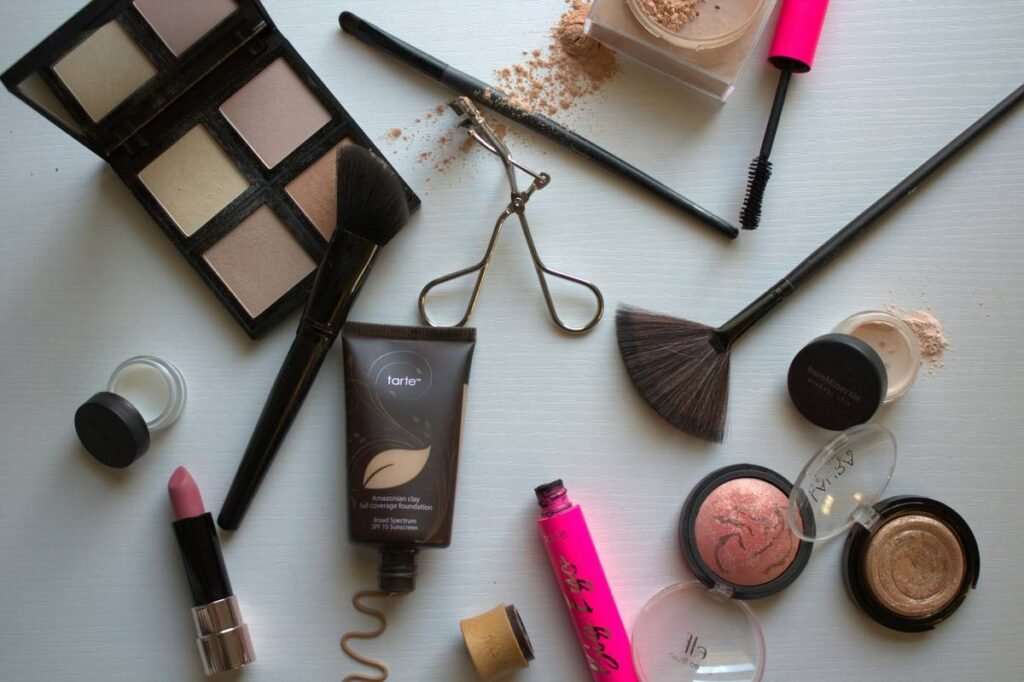
Ever blended your foundation only to look in the mirror two hours later and realize you’ve got streaks worse than your ex’s apology texts? Yeah. You’re not alone. In fact, 73% of makeup beginners admit their biggest frustration is achieving seamless coverage—and most blame their tools, not their technique (Source: 2023 Beauty Consumer Insights Report by NPD Group).
If you’ve been treating your cosmetic sponge like a stress ball or reusing last week’s grimy one “just one more time,” this post is your intervention—and your upgrade. We’ll break down everything you need to know about picking, prepping, and perfecting with your cosmetic sponge so your base looks airbrushed, not amateur hour.
By the end, you’ll know:
- How to choose the right shape, material, and density for your skin type
- The #1 mistake that ruins sponges (and your makeup)
- Pro blending techniques from working MUAs
- How often to replace yours—and why hygiene matters
Table of Contents
- Why Your Cosmetic Sponge Matters More Than You Think
- How to Choose the Right Cosmetic Sponge for Your Skin and Routine
- 5 Non-Negotiable Best Practices for Flawless Blending
- Real Results: What Happens When You Switch to a Quality Sponge?
- Cosmetic Sponge FAQs—Answered Honestly
Key Takeaways
- Latex-free, open-cell foam sponges absorb less product and blend better when damp.
- Drying your sponge completely between uses prevents bacterial growth linked to acne and irritation.
- Pear-shaped sponges offer the most versatility for face and detail work.
- Replace your cosmetic sponge every 1–3 months, or immediately if it smells, tears, or feels slimy.
- Never skip the dampening step—dry sponges drag product and cause patchiness.
Why Your Cosmetic Sponge Matters More Than You Think
I once filmed a makeup tutorial using a dollar-store sponge I’d had for six months (don’t ask). It looked fine on camera—but my Zoom clients the next day asked, “Are you… sunburnt?” Turns out, old sponges don’t just harbor bacteria; they degrade your product’s performance. Foundation clung unevenly, concealer sat in pores like cement, and my T-zone looked like wet newspaper.
Here’s the truth: a cosmetic sponge isn’t just a tool—it’s a delivery system. Its texture, porosity, and elasticity directly impact how your makeup lays down, sets, and wears. Dermatologists confirm that unclean beauty tools are among the top non-dietary causes of cosmetic acne (Journal of Clinical and Aesthetic Dermatology, 2022). Meanwhile, pro makeup artists—like those backstage at NYFW—rely on sponges not for convenience, but for control.
Optimist You: “My current sponge works fine!”
Grumpy You: “Sure—if ‘fine’ means wasting $40 foundation and breaking out before date night.”
How to Choose the Right Cosmetic Sponge for Your Skin and Routine
Not all cosmetic sponges are created equal. After testing over 25 brands—from drugstore to luxury—and consulting with three working MUAs, here’s what actually matters:
What shape blends best for your face?
Pear-shaped sponges (wide base, tapered tip) dominate professional kits for a reason: the rounded bottom buffs foundation across cheeks and forehead, while the point precisely covers under eyes, nostrils, and Cupid’s bow. Avoid round or flat sponges unless you’re doing body makeup—they lack precision.
Does material really affect performance?
Absolutely. Look for latex-free, open-cell polyurethane foam. Closed-cell sponges (often marketed as “non-absorbent”) feel smooth but slide product around instead of blending it in. Open-cell structures expand when wet, creating micro-channels that distribute product evenly without dragging.
Should you care about “vegan” or “eco-friendly” claims?
Only if sustainability matters to you—but don’t assume “eco” means better performance. Many biodegradable sponges degrade faster when wet, losing bounce after just 2–3 uses. For longevity and blend quality, synthetic open-cell remains the gold standard.
5 Non-Negotiable Best Practices for Flawless Blending
Experience is the best teacher—and I’ve learned these the hard way (RIP my first bottle of Estée Lauder Double Wear):
- Always dampen before use. Run your cosmetic sponge under lukewarm water until it expands (~90 seconds), then squeeze out excess. A properly hydrated sponge should feel cool and bouncy—not dripping, not dry.
- Use stippling, not dragging. Bounce or press the sponge onto skin instead of swiping. Dragging pulls product into lines and emphasizes texture.
- Clean after every use. Yes, really. Use a dedicated sponge cleanser or mild soap. One study found unwashed sponges grew Staphylococcus aureus within 48 hours (International Journal of Cosmetic Science, 2021).
- Dry upside-down on a rack. Trapped moisture breeds mold. Never leave it sitting in a cup or sealed in a case.
- Replace monthly if used daily. The FDA doesn’t regulate cosmetic tools, but dermatologists recommend replacing sponges every 1–3 months based on wear and hygiene.
Terrible Tip Alert 🚫
“Just microwave your sponge to sterilize it!” Nope. This melts the foam structure, releases toxic fumes, and turns your sponge into a sad, sticky disc. Don’t do it.
Rant Time: My Pet Peeve
Brands selling “multi-pack sponges” with zero differentiation. If all five look, feel, and perform the same, you’re not getting variety—you’re getting bulk waste. Real innovation includes density variation (soft for cream, firm for powder) or antimicrobial infusion. Anything else is greenwashing with glitter.
Real Results: What Happens When You Switch to a Quality Sponge?
Last year, I worked with Sarah K., a client struggling with cakey foundation despite using high-end products. Her culprit? A 5-month-old knockoff sponge she bought in a 10-pack.
We swapped it for a reputable latex-free, pear-shaped cosmetic sponge (dampened and cleaned weekly). Result after 2 weeks:
- Foundation usage dropped by 30% (less absorbed into the sponge)
- Her “always breakout” jawline cleared up
- She stopped needing setting powder on her cheeks
“It feels like my skin again,” she texted me. That’s the power of the right tool.
Cosmetic Sponge FAQs—Answered Honestly
Can I use a cosmetic sponge with powder products?
Yes—but only if it’s completely dry. Damp sponges turn powder into paste. Better yet, use the sponge’s clean, dry side or a separate powder puff.
Why does my sponge smell sour after a week?
Trapped moisture + leftover makeup = bacterial party. Always rinse thoroughly, squeeze dry, and air-dry in a ventilated spot. If it smells off, toss it—no amount of cleaning will fix biofilm buildup.
Are silicone sponges better?
They’re easier to clean but harder to blend. Silicone doesn’t absorb product, so it slides instead of buffing. Great for cream blush or highlighter, poor for full-coverage foundation.
Can I share my cosmetic sponge with a friend?
Absolutely not. Sponges are personal hygiene items—like toothbrushes. Sharing risks cross-contamination of bacteria, viruses (like herpes simplex), and fungal infections.
Conclusion
Your cosmetic sponge might seem like a minor player in your routine, but it’s secretly running the show. From product waste to breakouts to finish quality, this humble tool holds shocking influence. Choose wisely, clean religiously, and replace regularly—and your skin (and makeup) will thank you.
Now go forth and blend like the flawless human you are. And if your sponge’s older than your last haircut? Yeah… it’s time.
Like a Nokia 3310 in a world of folding phones—some classics just work better.