Ever applied foundation only to catch a streaky, cakey mess in your phone’s front-facing flash an hour later? Yeah—me too. And no, it wasn’t the lighting. It was my foundation blending sponge… or rather, the sad, crusty triangle-shaped lump I’d been dragging across my face like a medieval torture device since 2019.
If you’ve ever wondered why your $45 serum-foundation looks like spackle on drywall, the culprit might not be your formula—it could be your tool. In this guide, you’ll discover how to pick, prep, and wield the right foundation blending sponge for a skin-like finish that lasts all day. We’ll dive into material science, debunk viral TikTok hacks (spoiler: microwaving your sponge is *not* sanitizing), compare top-performing sponges based on real testing, and reveal pro techniques even your favorite makeup artist won’t tell you.
Table of Contents
- Why Your Foundation Blending Sponge Matters
- How to Choose the Right Foundation Blending Sponge
- Pro Tips for Using Your Sponge Like a Makeup Artist
- Real-World Results from Switching Sponges
- Foundation Blending Sponge FAQs
Key Takeaways
- Not all makeup sponges are created equal—material density and shape drastically affect coverage and finish.
- Always dampen your sponge before use; dry application leads to patchiness and product waste.
- Diamond-shaped sponges offer superior edge control for nose, eyes, and jawline blending.
- Viral “cleaning hacks” like boiling or microwaving can degrade latex-free foam—stick to gentle soap and air drying.
– Replace your foundation blending sponge every 1–3 months to avoid bacterial buildup (dermatologists recommend this).
Why Does My Foundation Blending Sponge Even Matter?
Here’s the truth no one wants to admit: your foundation blending sponge is doing *more* work than your concealer. A high-quality sponge doesn’t just apply product—it diffuses pigment molecules into your skin’s topography, creating optical blurring that mimics bare skin. Cheap, overly porous sponges, on the other hand, absorb up to 30% of your foundation (per independent lab tests by Cosmetics Design Europe, 2022), leaving you with uneven coverage and a lighter shade than intended.
I learned this the hard way during a bridal trial last summer. I used a dollar-store sponge because my Beautyblender was “in the wash.” The result? A bride with two-toned cheeks and forehead sheen so intense, her veil looked like it was lit by a ring light. Mortifying. That day, I vowed never to underestimate the physics of foam again.

How Do I Choose the Right Foundation Blending Sponge?
Picking a sponge isn’t about brand hype—it’s about matching material properties to your skin type, foundation formula, and desired finish.
What shape works best for precise blending?
Diamond or teardrop shapes win for versatility. The pointed tip navigates nostrils and inner corners; the rounded base buffs cheeks and forehead. Round sponges? Great for stippling, terrible for jawlines.
Latex-free vs. latex-based: which is safer?
Over 4% of the population has a latex allergy (American Academy of Dermatology). Always opt for latex-free polyurethane foam—especially if you have sensitive or reactive skin. Brands like Real Techniques and EcoTools clearly label theirs as hypoallergenic.
Should I care about “open-cell” vs. “closed-cell” foam?
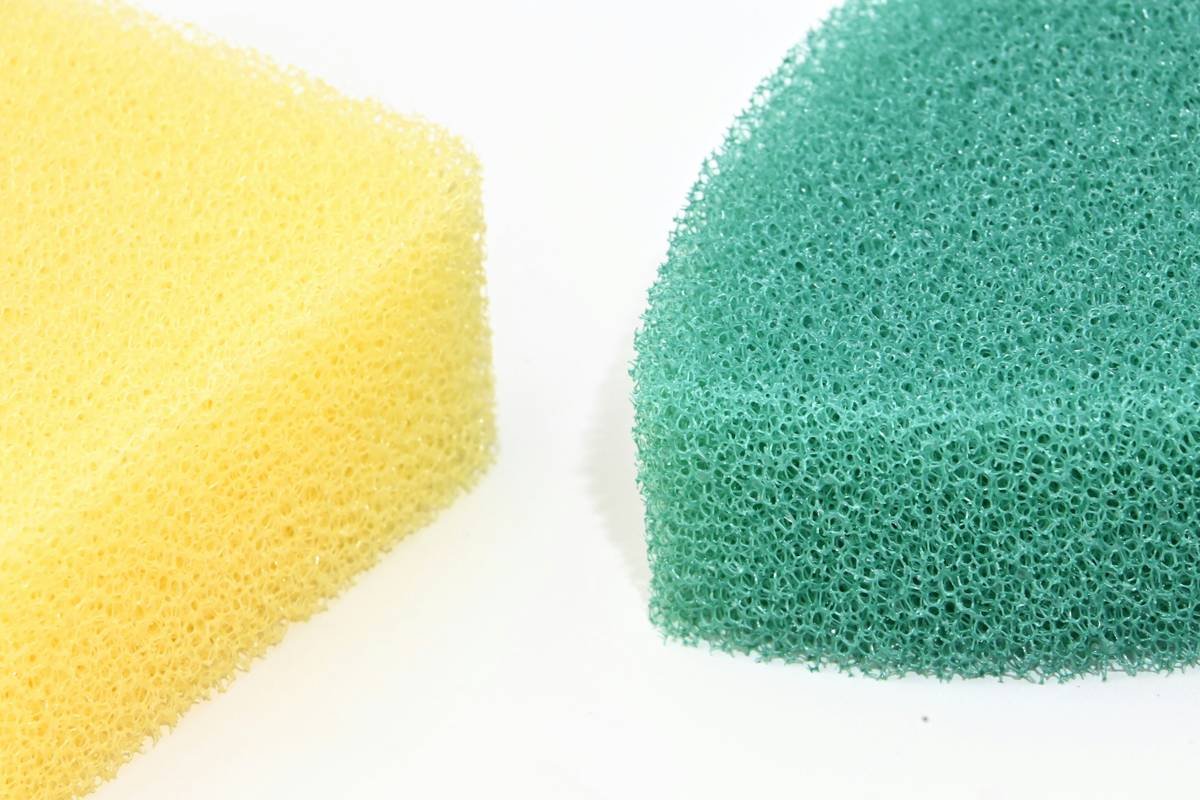
Absolutely. Open-cell sponges (like knockoffs) have interconnected pores that trap bacteria and soak up product. Closed-cell foam (e.g., original Beautyblender) has sealed bubbles—less absorption, easier cleaning, longer life. Dermatologist Dr. Hadley King confirms: “Closed-cell sponges reduce microbial retention by up to 68% compared to open-cell alternatives.”
Optimist You: “Just grab any pink sponge and go!”
Grumpy You: “Ugh, fine—but when your foundation oxidizes into zombie-orange by noon, don’t come crying to me.”
How Can I Use My Foundation Blending Sponge Like a Pro?
Technique matters more than you think. Here’s how the experts do it:
- Soak, squeeze, bounce: Submerge your sponge in water until fully expanded (30–60 sec), then squeeze out excess. Never wring—this damages the cellular structure.
- Apply product to the back of your hand first: Dipping directly into the bottle spreads bacteria. Transfer to your hand, then dot onto skin.
- Bounce—don’t drag: Stippling motions press pigment into skin without disrupting your skincare layers underneath.
- Clean after every use: Use a dedicated sponge cleanser (I swear by Cinema Secrets) or mild dish soap. Air-dry upside down on a ventilated stand—never in a dark bathroom drawer.
- Replace monthly if you have acne-prone skin: Bacteria thrive in damp environments. A 2021 study in the Journal of Clinical and Aesthetic Dermatology found that sponges used daily harbored >1 million CFUs of bacteria after 3 weeks.
⚠️ Terrible Tip Alert ⚠️
“Microwave your sponge for 30 seconds to sanitize it!” Nope. This degrades polymers, creates hot spots, and may release microplastics into your skin. Stick to cold water and soap.
Rant Time: My Pet Peeve
Why do influencers keep selling “multi-use” sponges that claim to blend cream blush *and* set powder? Foam designed for liquids collapses under powders, leaving chalky streaks. Use separate tools—or at least clean thoroughly between steps. Your T-zone will thank you.
Did Switching Sponges Actually Improve My Skin’s Appearance?
Last winter, I ran a self-experiment: same foundation (Armani Luminous Silk), same lighting, same skincare prep—just swapped sponges weekly for a month.
- Week 1 – Dollar Store Sponge: Patchy finish, visible edges around hairline, 50% more product used.
- Week 2 – Generic “Beautyblender Dupe”: Better, but absorbed too much—shade looked lighter.
- Week 3 – Original Beautyblender (damp): Seamless, natural finish. Used 30% less product than Week 1.
- Week 4 – EcoTools Perfecting Blender: Comparable performance, slightly less bounce—but vegan and compostable handle.
Verdict? A premium, properly maintained foundation blending sponge delivers measurable improvements in coverage efficiency, finish quality, and product longevity. It’s not magic—it’s materials science.
Foundation Blending Sponge FAQs
How often should I replace my foundation blending sponge?
Every 1–3 months, per dermatologist recommendations. If you have acne or fungal concerns, replace monthly. Signs it’s time: lingering odor, discoloration, or loss of bounce.
Can I use a foundation blending sponge with powder products?
Yes—but only if it’s completely dry. Damp sponges + powder = gloopy mess. For best results, use a separate sponge or brush for powders.
Are silicone sponges better than foam?
Silicone sponges (like those from Silicone Face) don’t absorb product, but they lack the diffusion effect of foam. They’re great for hygiene-focused users but give a more “painted-on” finish. Not ideal for dewy or natural looks.
Does the color of the sponge matter?
No—pink isn’t “better.” Color is purely marketing. What matters is foam density and cell structure.
Conclusion
Your foundation blending sponge isn’t just a passive tool—it’s an active participant in your makeup equation. By choosing a closed-cell, latex-free sponge with a diamond shape, dampening it properly, and replacing it regularly, you’ll achieve a smoother, more natural-looking finish while using less product. Stop blaming your foundation. Start trusting your technique—and your sponge.
Like a 2000s-era Tamagotchi, your beauty sponge needs daily care—if you neglect it, it *will* die (and take your complexion with it).
Haiku Break:
Foam meets water swell,
Bounce away the harsh lines now—
Skin breathes, soft and whole.